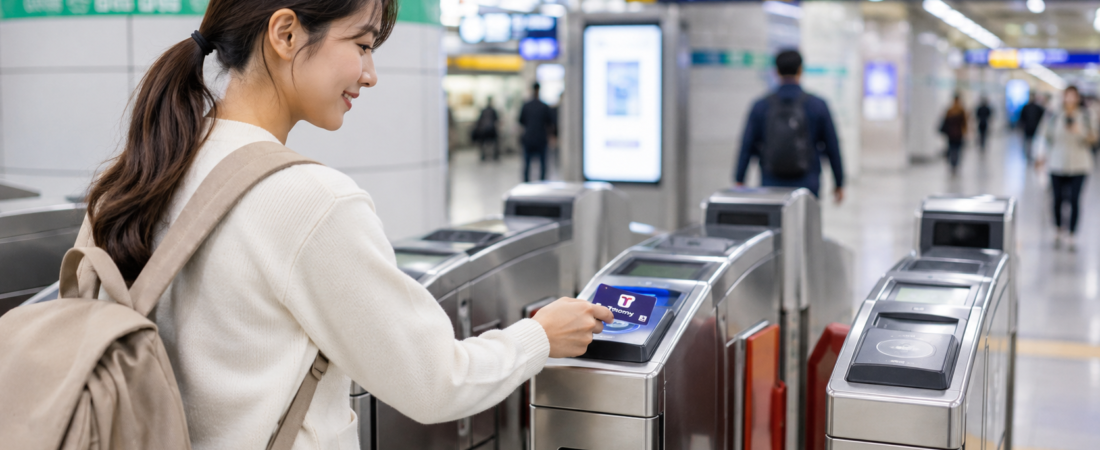
Seoul has one of the most convenient subway systems in the world, and for many visitors, it is the easiest way to move around the city. The subway connects major neighborhoods, shopping areas, palaces, markets, airports, and popular attractions across Seoul and the surrounding region.
If you are visiting Korea for the first time, the Seoul subway may look confusing at first because there are many lines, exits, transfers, and station names. But once you understand the basics, it becomes one of the most reliable and affordable ways to travel.
Before using the subway, it is also helpful to understand how transportation cards work in Korea. If you have not done so already, you may want to read our guide on how to use a T-money card in Korea.
Why Use the Seoul Subway?
The Seoul subway is useful because it is clean, frequent, and connected to most places visitors want to go. In many cases, taking the subway is easier than taking a taxi because traffic in Seoul can be heavy, especially during busy hours.
The subway is a good choice for visiting areas such as:
- Myeongdong
- Hongdae
- Gangnam
- Insadong
- Dongdaemun
- Itaewon
- Seongsu
- Jamsil
- Gyeongbokgung Palace
- Seoul Station
For first-time visitors, the subway is usually the easiest way to understand the city because station names, line numbers, and exits are clearly marked in many major areas.
Get a Transportation Card First
Before using the subway often, it is best to get a transportation card such as a T-money card. You can use it by tapping at the subway gate when entering and exiting.
A transportation card makes subway travel easier because you do not need to buy a single-use ticket every time. It also helps if you transfer between subway and bus.
You can usually buy and recharge a transportation card at convenience stores or subway stations. Keep some Korean won with you because some recharge machines or stores may require cash for reloading the card.
How to Enter the Subway
When you arrive at a subway station, look for the entrance sign and go down to the station area. Some stations have many exits, so do not worry if the station feels large.
To enter:
- Find the correct subway line.
- Tap your T-money card or transportation card at the gate.
- Walk through the gate.
- Follow the signs toward your direction or platform.
Most subway lines are identified by a line number and color. For example, Line 2 is often shown in green, and Line 4 is often shown in blue. Using the line number and color together makes navigation easier.
Check the Direction Before Boarding
One of the most important things to check is the direction of the train. Subway platforms usually show the next major stations in each direction.
Before boarding, check:
- Your destination station
- The line number
- The direction of travel
- Whether you need to transfer
- The correct platform
If you accidentally go in the wrong direction, do not panic. You can usually get off at the next station and switch directions.
Use Subway Apps for Directions
A subway or map app can make traveling much easier. Seoul has many stations and transfers, so using an app is better than guessing.
Helpful apps may include:
- Naver Map
- KakaoMap
- Subway Korea or other subway map apps
Google Maps can help with basic searching, but Korean map apps are often more useful for walking routes, public transportation details, and station exits in Korea.
If this is your first trip to Korea, you may also want to read our essential Korea travel tips for first-time visitors.
Understanding Transfers
Many subway trips in Seoul require transfers. A transfer means you change from one subway line to another before reaching your final destination.
When transferring:
- Get off at the transfer station.
- Follow the signs for the new line.
- Walk through the transfer path.
- Go to the correct platform.
- Board the next train.
Some transfers are short and easy, while others can require a longer walk. Large stations like Seoul Station, Express Bus Terminal, and Wangsimni can feel confusing, so give yourself extra time if you are new to Seoul.
Pay Attention to Station Exits
Seoul subway stations often have many exits. Choosing the right exit can save a lot of walking.
For example, one station may have Exit 1, Exit 2, Exit 3, and many more. A destination may be very close to Exit 6 but far from Exit 1.
Before leaving the station, check your map app for the best exit. Many Korean directions will say something like:
Use Exit 3or
Walk 5 minutes from Exit 2This is very normal in Seoul. The exit number is often just as important as the station name.
Avoid Rush Hour If Possible
The Seoul subway can become very crowded during rush hour. If you are traveling with luggage, children, or a large group, rush hour can feel uncomfortable.
Try to avoid traveling during:
- Morning rush hour
- Evening rush hour
If possible, plan sightseeing trips after the morning commute or before the evening commute. Traveling slightly earlier or later can make a big difference.
During crowded times, stand to the side, let people exit first, and move further inside the train when possible.
Subway Etiquette in Seoul
Seoul subway etiquette is important, especially during busy times.
Basic subway manners include:
- Let passengers exit before boarding.
- Stand on the correct side of escalators when others are passing.
- Keep your voice low on the train.
- Do not take priority seats if others need them.
- Keep backpacks and luggage close to you.
- Avoid blocking doors.
Many subway cars have priority seating areas for elderly passengers, pregnant passengers, people with disabilities, and others who may need a seat. It is best to avoid sitting there unless you need it.
Traveling With Luggage
If you are arriving from the airport or moving between hotels, you may need to use the subway with luggage. It is possible, but it can be difficult during crowded times.
Tips for using the subway with luggage:
- Avoid rush hour.
- Look for elevators when possible.
- Use wider gates if available.
- Keep your suitcase close to you.
- Give yourself extra time for transfers.
Some stations have many stairs, so if you have large luggage, check your route carefully before traveling.
Is the Seoul Subway Safe?
The Seoul subway is generally safe and well organized. Stations are usually bright, busy, and monitored. Many people use the subway late into the evening.
Still, basic travel awareness is always important. Keep your phone, wallet, and passport secure, especially in crowded stations or trains.
For most visitors, the Seoul subway feels comfortable after a few rides.
Common Mistakes First-Time Visitors Make
First-time visitors often make a few simple mistakes when using the subway.
Common mistakes include:
- Not checking the direction before boarding
- Choosing the wrong station exit
- Forgetting to tap out
- Underestimating transfer walking time
- Traveling during rush hour with luggage
- Depending only on station names without checking line numbers
These mistakes are easy to fix. After using the subway once or twice, the system becomes much easier to understand.
Best Areas to Stay for Subway Access
If you plan to use the subway often, choosing the right neighborhood can make your trip much easier. Areas near major subway stations are usually more convenient for first-time visitors.
Good areas for subway access may include:
- Myeongdong
- Hongdae
- Jongno
- Seoul Station
- Dongdaemun
- Gangnam
If you are still choosing a neighborhood, read our guide on where to stay in Seoul for first-time visitors.
Final Thoughts
The Seoul subway may look complicated at first, but it is one of the best ways to explore the city. Once you understand transportation cards, line numbers, transfers, and station exits, getting around Seoul becomes much easier.
For first-time visitors, the most important tips are simple: use a transportation card, check your direction before boarding, pay attention to exit numbers, and avoid rush hour when possible.
With a little preparation, the Seoul subway can help you visit more places, save time, and enjoy your Korea trip with much less stress.