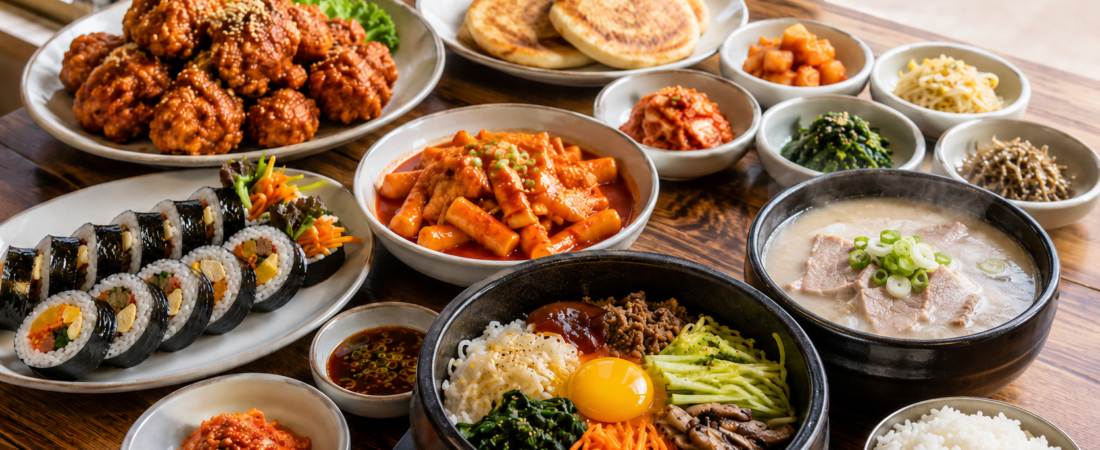
Korea is one of the best countries to visit if you love food. From sizzling Korean BBQ and spicy street snacks to comforting soups, cold noodles, rice bowls, and cafe desserts, food is a major part of the travel experience.
For first-time visitors, Korean food can feel exciting but also a little overwhelming. There are so many dishes to choose from, and many restaurants specialize in only one or two items. The good news is that you do not need to know every Korean dish before your trip. Starting with a few classic foods can help you enjoy Korea with much more confidence.
This guide introduces 10 must-try Korean foods for first-time visitors, including what they are, why they are popular, and when they are best to eat. If you want a broader overview of Korean dining culture, you can also read our Korean food guide for first-time travelers.
1. Korean BBQ
Korean BBQ is one of the most popular Korean food experiences for visitors. At many Korean BBQ restaurants, meat is grilled at the table and eaten with lettuce wraps, garlic, sauces, rice, kimchi, and side dishes.
Popular meats include samgyeopsal, which is pork belly, and galbi, which is marinated short rib. Some restaurants specialize in beef, while others focus on pork.
Korean BBQ is not just about the food. It is also a social meal. People usually sit around the grill, cook together, share side dishes, and eat slowly. If you are traveling with friends or family, this can be one of the most memorable meals of your trip.
For first-time visitors, Korean BBQ is a good choice because it is fun, filling, and easy to enjoy even if you are not familiar with Korean food.
2. Bibimbap
Bibimbap is a colorful Korean rice bowl topped with vegetables, meat, egg, and gochujang, a Korean red pepper paste. Before eating, you mix everything together.
It is one of the easiest Korean dishes for first-time visitors to understand because it has rice, vegetables, protein, and sauce all in one bowl. Some versions are served in a hot stone bowl, called dolsot bibimbap. The hot bowl makes the rice crispy at the bottom.
Bibimbap can be spicy if you add a lot of gochujang, so start with a small amount and mix more in if you want stronger flavor.
This is a good dish to try if you want something balanced, colorful, and very Korean.
3. Tteokbokki
Tteokbokki is one of Korea’s most famous street foods. It is made with chewy rice cakes cooked in a sweet and spicy red sauce. Many places also add fish cakes, boiled eggs, noodles, or fried snacks.
You can find tteokbokki at street stalls, markets, snack shops, and casual restaurants. It is especially popular with students and is often considered a nostalgic comfort food in Korea.
The texture is chewy, and the flavor is usually sweet, spicy, and savory. If you are sensitive to spicy food, start with a small portion because some tteokbokki can be very hot.
For visitors who want to try Korean street food, tteokbokki is one of the best places to start.
4. Gimbap
Gimbap is a Korean rice roll made with seaweed, rice, vegetables, egg, and other fillings. It may look similar to sushi rolls, but the flavor and ingredients are different.
Common fillings include carrot, spinach, pickled radish, egg, ham, tuna, beef, cheese, or vegetables. Gimbap is easy to eat, affordable, and widely available.
You can find gimbap at small restaurants, convenience stores, train stations, markets, and snack shops. It is a great choice when you want a quick breakfast, light lunch, or easy meal before sightseeing.
For first-time visitors, gimbap is useful because it is simple, portable, and not usually too spicy.
5. Naengmyeon
Naengmyeon is a cold noodle dish, usually made with thin, chewy noodles served in a chilled broth or mixed with spicy sauce. It may sound unusual if you have never tried cold noodles before, but naengmyeon is one of Korea’s most refreshing dishes.
There are two common types:
- Mul-naengmyeon: cold noodles served in chilled broth
- Bibim-naengmyeon: cold noodles mixed with spicy sauce
Naengmyeon is especially popular in summer, but many people eat it all year. It is also commonly eaten after Korean BBQ because the cold broth feels refreshing after a rich meat meal.
If you want to try a Korean dish that feels clean, light, and unique, naengmyeon is a great choice.
6. Gukbap
Gukbap means soup with rice. It is one of Korea’s most comforting local meals and is often served hot with kimchi, radish kimchi, garlic, green onions, and sauces.
Different regions have different styles of gukbap. Some are made with pork, some with beef, and some with seafood. Dwaeji-gukbap, or pork soup with rice, is especially famous in Busan and southern Korea.
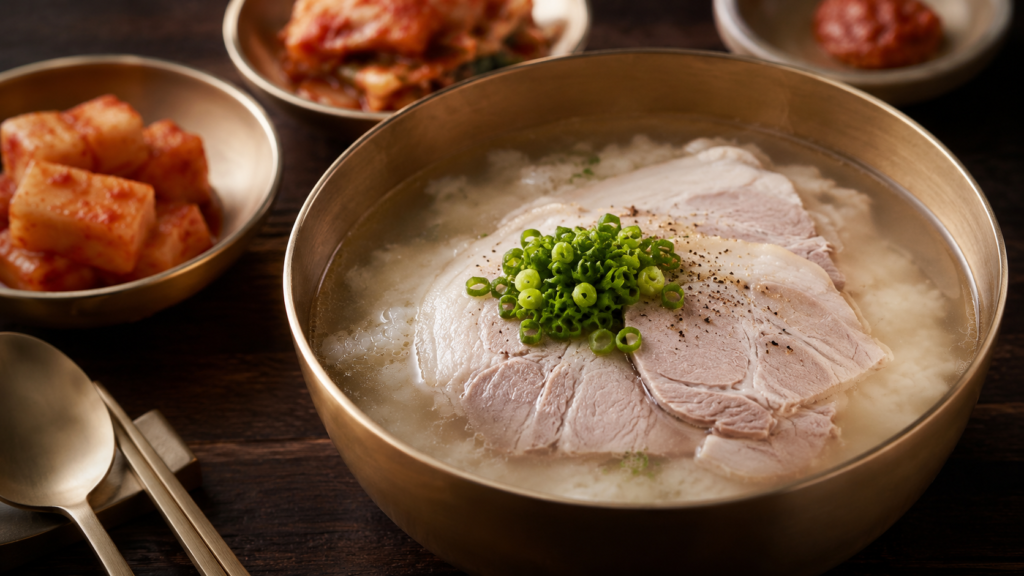
Gukbap restaurants are often simple and local. They may not look fancy, but the food can be deeply satisfying, especially after a long day of walking, sightseeing, or traveling in cold weather.
For first-time visitors who want to try everyday Korean comfort food, gukbap is worth trying.
7. Kimchi Jjigae
Kimchi jjigae is a spicy kimchi stew and one of the most common comfort foods in Korea. It is usually made with aged kimchi, tofu, pork or tuna, onions, garlic, and broth.
The flavor is strong, warm, spicy, and slightly sour from the fermented kimchi. It is usually served with rice and side dishes.
Kimchi jjigae is a good dish to try if you already like kimchi or want to experience a classic Korean home-style meal. It is not usually a fancy restaurant dish. Instead, it feels like the kind of food people eat regularly.
If you do not eat spicy food often, ask whether the stew is very spicy before ordering.
8. Samgyetang
Samgyetang is Korean ginseng chicken soup. It is made with a whole young chicken stuffed with rice, garlic, jujube, and ginseng, then simmered until tender.
Many Koreans eat samgyetang during summer because it is believed to help restore energy during hot weather. This may surprise visitors because it is a hot soup eaten in summer, but it is a well-known Korean food tradition.
The flavor is usually mild, warm, and comforting. It is a good option for travelers who want something less spicy but still very Korean.
Samgyetang is especially good if you want a nourishing meal after a busy travel day.
9. Korean Fried Chicken
Korean fried chicken is crispy, flavorful, and very popular. It is often served plain, seasoned, or covered in sauces such as sweet-spicy sauce, soy garlic sauce, or honey butter flavor.
Compared with some other styles of fried chicken, Korean fried chicken is often known for its thin, crispy coating. Many restaurants serve it with pickled radish, and it is commonly eaten with beer.
For visitors, Korean fried chicken is easy to enjoy because it is familiar but still has a Korean flavor. It is a good casual dinner option, especially if you are staying near a busy area with many restaurants.
You can find Korean fried chicken in restaurants, delivery shops, and casual dining areas throughout Korea.
10. Hotteok
Hotteok is a sweet Korean pancake, usually filled with brown sugar, cinnamon, and nuts or seeds. It is often sold as street food, especially in colder months.
The outside is warm and slightly crispy, while the inside is sweet and syrupy. It is simple, affordable, and easy to eat while walking through a market or shopping street.
Hotteok is a good dessert or snack for first-time visitors because it is not too unfamiliar and does not require ordering a full meal. It is especially enjoyable on a cold day.
If you see a hotteok stall with people waiting in line, it may be worth trying.
Bonus: Bingsu
Bingsu is a Korean shaved ice dessert. Traditional patbingsu is made with shaved ice, sweet red beans, rice cake, and sometimes fruit or ice cream. Modern cafes serve many versions, including mango, strawberry, matcha, chocolate, and milk tea bingsu.
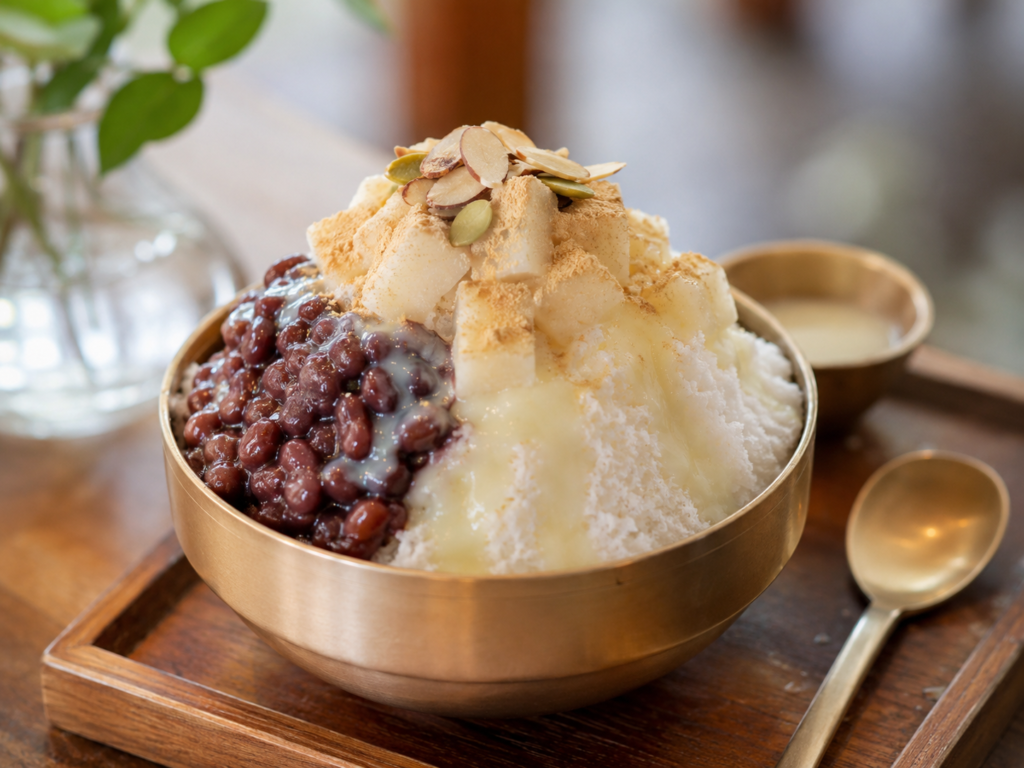
Bingsu is especially popular in summer, but many dessert cafes serve it throughout the year. It is a great way to experience Korea’s cafe culture.
If you enjoy desserts, bingsu is a good food to add to your Korea food list.
Where to Try Korean Food
You can try Korean food in many different places, depending on your travel style.
Traditional markets are good for street food, snacks, and casual local dishes. Restaurants near subway stations are convenient for quick meals. Department store food courts are comfortable for first-time visitors because they often show photos of dishes. Korean cafes are great for desserts, drinks, and resting between sightseeing stops.
Good places to try food in Seoul include:
- Traditional markets
- Myeongdong
- Hongdae
- Insadong
- Jongno
- Seongsu
- Department store food courts
- Neighborhood restaurants
If you are new to Korea, do not worry about finding the perfect restaurant every time. Many memorable meals happen in simple local places.
Tips for Ordering Korean Food
Ordering food in Korea becomes easier once you understand a few basics.
Some restaurants have English menus or picture menus, especially in tourist areas. Others may have Korean-only menus, but translation apps can help.
A few useful tips:
- Use a translation app for menus.
- Look for photos near the menu or entrance.
- Pointing at a dish is normal if you are not sure how to pronounce it.
- Some dishes may require a minimum order of two portions.
- Water and side dishes may be self-service in casual restaurants.
- If you cannot eat spicy food, ask whether the dish is spicy before ordering.
You do not need to order perfectly. Most travelers learn as they go.
Final Thoughts
Korean food is one of the best parts of visiting Korea. Whether you are eating Korean BBQ with friends, trying tteokbokki at a market, ordering a bowl of hot gukbap, or enjoying bingsu in a cafe, food can help you understand Korea in a deeper and more memorable way.
For your first trip, start with a few classic dishes and stay open to trying something new. Some foods may be spicy, some may be mild, and some may be completely different from what you expected.
That variety is what makes Korean food so exciting. Once you try a few dishes, you may find that food becomes one of your favorite reasons to return to Korea.