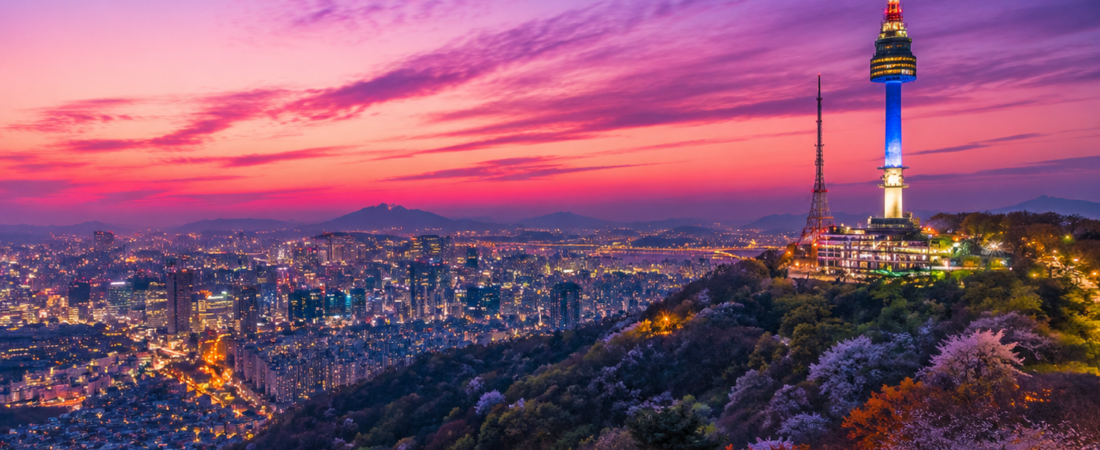
South Korea may look small on the map, but each city has a completely different personality. Seoul is fast, stylish, and full of energy. Busan feels more relaxed with beaches, seafood, and ocean views. Gyeongju is quiet and historic, while Jeonju is known for traditional houses and comforting Korean food.
For first-time visitors, choosing where to go can feel confusing. This guide introduces some of the best cities to visit in South Korea and explains what each place is best for, so you can plan a trip that matches your travel style.
1. Seoul: Best for First-Time Visitors
Seoul is the best place to start your first trip to South Korea. It is the capital city and the center of Korean culture, food, shopping, transportation, and entertainment.
In Seoul, you can visit royal palaces in the morning, shop in trendy neighborhoods in the afternoon, and enjoy Korean barbecue or street food at night. The city is modern and busy, but it also has many historic areas where you can experience traditional Korean architecture and culture.
Popular places to visit in Seoul include Gyeongbokgung Palace, Bukchon Hanok Village, Myeongdong, Hongdae, Gangnam, Insadong, and the Han River. The official Visit Korea website also lists Seoul as one of the main destinations in Korea travel itineraries.
Seoul is a great choice if you want convenience, public transportation, shopping, cafes, nightlife, and famous tourist attractions all in one place.
2. Busan: Best for Beaches, Seafood, and Ocean Views
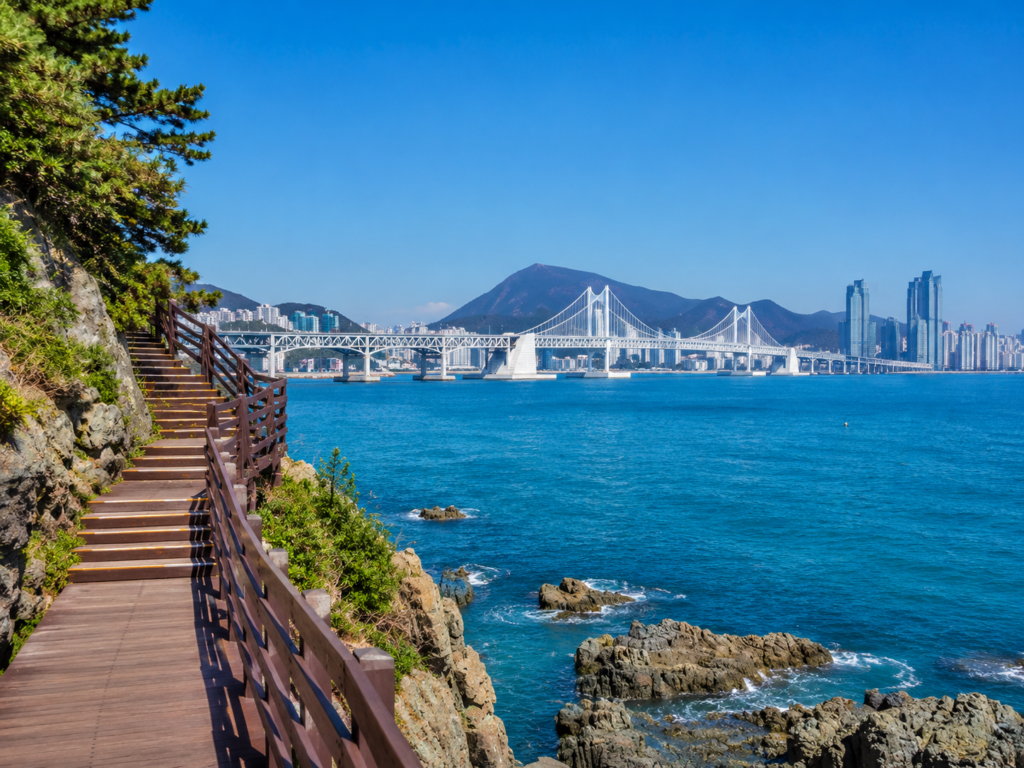
Busan is South Korea’s second-largest city and one of the best places to visit if you want a different feeling from Seoul. The city is famous for beaches, seafood markets, coastal temples, colorful villages, and relaxed ocean views.
Haeundae Beach and Gwangalli Beach are two of the most popular areas for visitors. You can walk along the beach, enjoy cafes with ocean views, and see the city lights at night. Jagalchi Market is also a famous place to experience Korea’s seafood culture.
Busan is especially good for travelers who want a mix of city life and coastal scenery. It is also easy to reach from Seoul by KTX train, making it a popular stop on a Korea itinerary.
3. Gyeongju: Best for Korean History and Culture
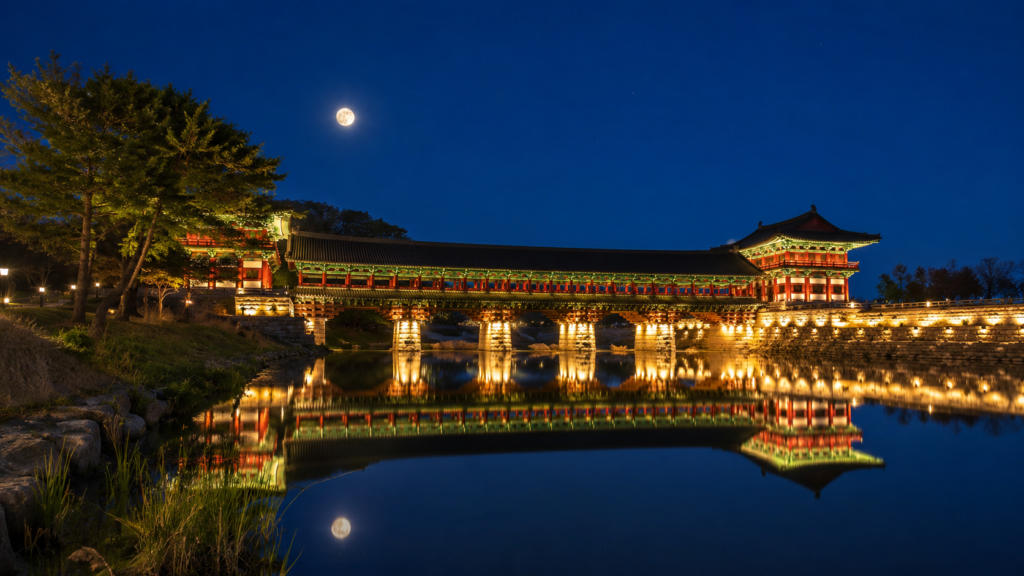
Gyeongju is often called a museum without walls because the city is filled with historic sites, ancient tombs, temples, and traditional scenery. If Seoul shows modern Korea, Gyeongju shows Korea’s older history.
This city is especially good for travelers who enjoy culture, quiet streets, and historic places. Popular attractions include Bulguksa Temple, Cheomseongdae Observatory, Donggung Palace and Wolji Pond, and Daereungwon Tomb Complex. Visit Korea includes Gyeongju in cultural and regional travel recommendations, especially for travelers interested in tradition and history.
Gyeongju is a good addition if your trip includes Busan because the two cities are relatively close compared with Seoul.
4. Jeju Island: Best for Nature and Scenic Views
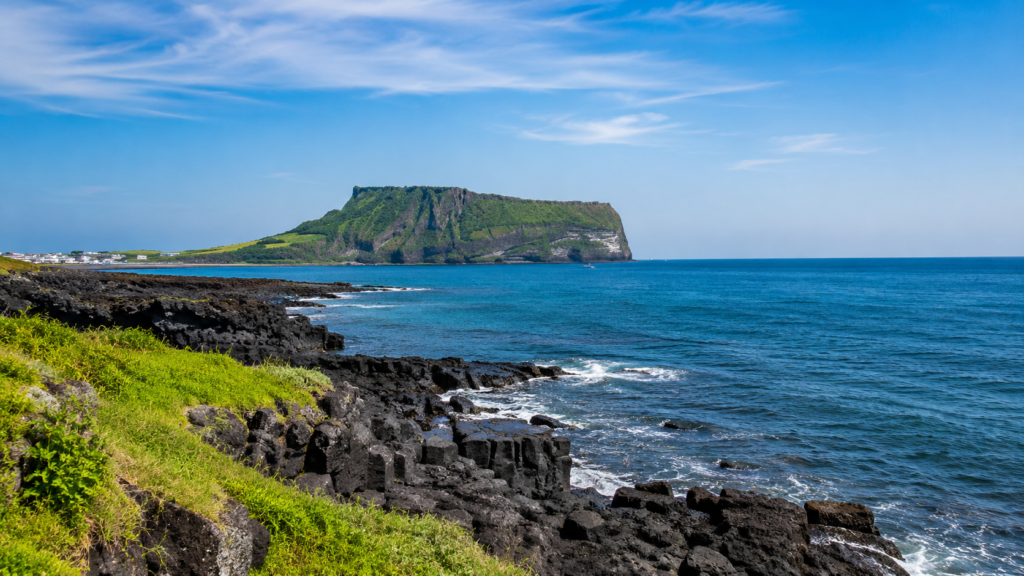
Jeju Island is one of the most beautiful destinations in South Korea. It feels very different from the mainland because it is known for volcanic landscapes, beaches, waterfalls, hiking trails, and peaceful countryside views.
Jeju is a great choice for travelers who want nature instead of only city sightseeing. Popular places include Seongsan Ilchulbong, Hallasan Mountain, waterfalls, coastal roads, and local markets.
Because Jeju is an island, most travelers fly there from Seoul, Busan, or another Korean city. It is best to give Jeju at least two or three days instead of trying to visit in a hurry.
5. Jeonju: Best for Traditional Food and Hanok Village
Jeonju is one of the best cities in Korea for travelers who love food and traditional culture. The city is especially famous for Jeonju bibimbap, Korean street snacks, and Jeonju Hanok Village.
Unlike Seoul, Jeonju feels slower and more traditional. Visitors often rent hanbok, walk through the hanok village, try local food, and enjoy a more relaxed atmosphere.
Jeonju is a good choice if you want a cultural experience but do not want a city that feels too crowded or overwhelming.
6. Incheon: Best for a Short Stop or First Day in Korea
Many international travelers arrive in South Korea through Incheon International Airport, but Incheon itself can also be worth visiting if you have extra time.
Incheon has Chinatown, Songdo Central Park, Wolmido, and coastal areas that can be easy to visit before or after a flight. It may not be the first city people think of for a Korea trip, but it can be useful for travelers who want a lighter first day after arrival.
Suggested Korea Itinerary for First-Time Visitors
If you have 5 days in Korea, Seoul is usually the best base. You can spend most of your time exploring Seoul and take one short day trip if you want.
If you have 7 days, a good route is Seoul and Busan. This gives you both the capital city and Korea’s most famous coastal city.
If you have 10 days, you can consider Seoul, Gyeongju, Busan, and Jeju. This route gives you a strong mix of modern city life, history, beaches, food, and nature.
If you have two weeks, you can travel more slowly and add Jeonju or other regional destinations.
Which City Should You Choose First?
Choose Seoul if this is your first time in Korea and you want the easiest trip.
Choose Busan if you want beaches, seafood, and a more relaxed city atmosphere.
Choose Gyeongju if you are interested in Korean history and traditional sites.
Choose Jeju if you want nature, scenic drives, and outdoor views.
Choose Jeonju if you want traditional food, hanok houses, and a slower travel pace.
Final Thoughts
The best city to visit in South Korea depends on what kind of trip you want. For most first-time travelers, Seoul is the easiest and most practical place to start. After that, Busan, Gyeongju, Jeju, and Jeonju can make your trip more complete.
South Korea is not just one type of destination. It has modern cities, quiet historic towns, coastal views, mountain scenery, traditional food, and stylish cafes. If you choose the right combination of cities, your first trip to Korea can feel much richer and more memorable.